

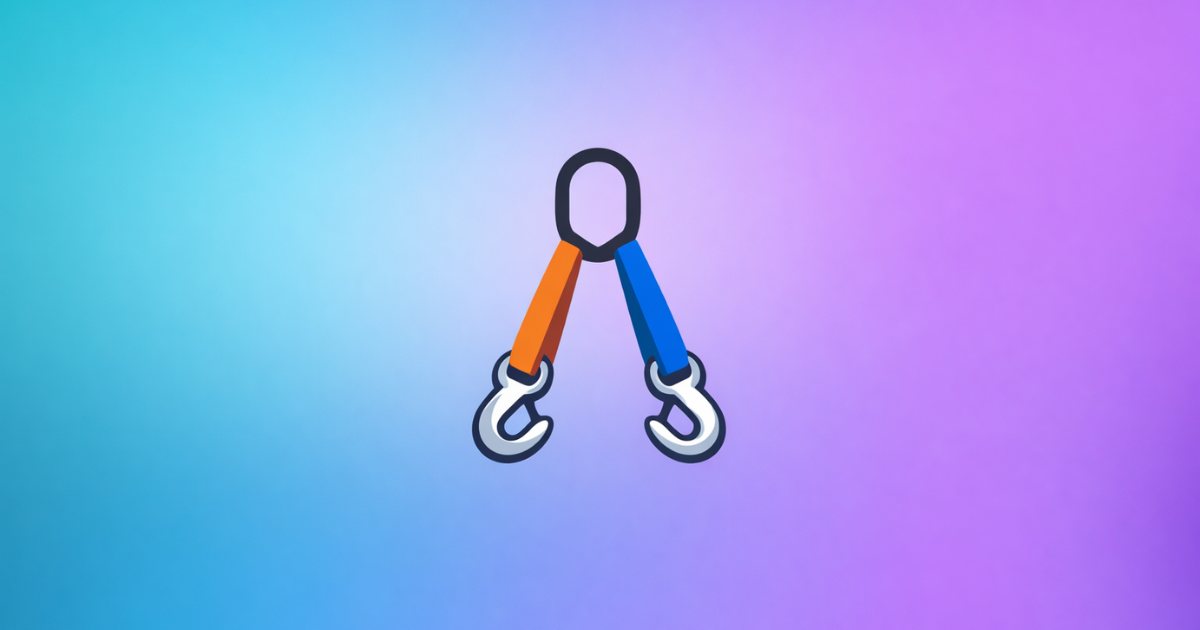
If you’ve ever searched for slinguri, you’re probably wondering what they are, how they work, and why so many people talk about them. You’re not alone. I asked the same questions when I first came across slinguri, and honestly, the answers were more useful than I expected.
In this guide, we’ll break everything down in a simple, friendly way. No confusing words. No technical overload. Just clear explanations, real-life examples, and helpful tips you can actually use.
So grab a cup of tea ☕, and let’s dive in.
What Are Slinguri?
At their core, slinguri are tools designed to support, lift, carry, or hold something safely. They may look simple, but they play a big role in many everyday tasks.
Think of slinguri like an extra pair of strong hands.
Instead of straining your body, slinguri take the load and make the job easier.
You’ll find slinguri used in:
- Homes
- Workshops
- Construction sites
- Gyms
- Outdoor activities
They come in many shapes and sizes, each made for a specific purpose.
Why Slinguri Are So Popular Today
Let’s be honest. People love things that make life easier. That’s exactly why slinguri have become so popular.
Here’s why many people rely on them:
- They save time
- They reduce effort
- They improve safety
- They are easy to use
- They last a long time
I remember helping a friend move furniture without slinguri. It was chaos. The next time, we used proper slinguri—and the difference was night and day. Less pain, fewer breaks, and no scratched walls.
Different Types of Slinguri
Not all slinguri are the same. Choosing the right type matters more than most people realize.
1. Fabric Slinguri
These are soft, flexible, and easy to handle.
Best for:
- Light to medium loads
- Indoor use
- Situations where surface protection matters
They are gentle on delicate items and simple to store.
2. Rope Slinguri
Rope slinguri are strong and flexible.
Best for:
- Outdoor work
- Uneven loads
- Situations needing grip
They’re great when you need adaptability rather than stiffness.
3. Chain Slinguri
These are heavy-duty slinguri.
Best for:
- Very heavy loads
- Industrial work
- Long-term use
Chain slinguri last long, but they’re heavier and need proper handling.
4. Specialized Slinguri
Some slinguri are designed for very specific tasks.
Examples include:
- Fitness slinguri
- Medical support slinguri
- Sports training slinguri
Each serves a unique purpose and offers targeted support.
How to Choose the Right Slinguri
Choosing slinguri isn’t about picking the first option you see. It’s about matching the tool to the job.
Ask yourself these questions:
- What will I lift or support?
- How heavy is it?
- Will I use it indoors or outdoors?
- Do I need flexibility or stiffness?
- How often will I use it?
Think of slinguri like shoes. You wouldn’t wear running shoes to a wedding, right? The same idea applies here.
Common Uses of Slinguri in Daily Life
You might be surprised how often slinguri appear in everyday situations.
At Home
- Moving furniture
- Hanging heavy items
- Supporting injured limbs
At Work
- Lifting materials
- Securing loads
- Improving safety
In Fitness
- Bodyweight training
- Stretching routines
- Rehab exercises
Outdoors
- Camping setups
- Carrying gear
- Emergency support
Once you notice slinguri, you start seeing them everywhere.
Benefits of Using Slinguri
Let’s talk about why people keep choosing slinguri again and again.
1. Reduced Physical Strain
Your body isn’t meant to lift everything alone. Slinguri help share the load.
2. Better Safety
Less strain means fewer injuries. Simple as that.
3. Improved Control
Slinguri give you better grip and balance.
4. Long-Term Savings
Good slinguri last for years, saving money in the long run.
Mistakes People Make with Slinguri
Even though slinguri are easy to use, mistakes still happen.
Here are some common ones to avoid:
- Using the wrong type of slinguri
- Ignoring weight limits
- Skipping safety checks
- Poor storage after use
I once saw someone use light slinguri for a heavy load. It snapped. Luckily, no one was hurt. Lesson learned: always match slinguri to the task.
How to Use Slinguri Safely
Safety doesn’t need to be complicated. Follow these simple steps:
- Inspect before use
- Check weight capacity
- Secure properly
- Lift slowly
- Store correctly after use
Treat slinguri with care, and they’ll return the favor.
Maintaining Your Slinguri
Want your slinguri to last longer? Maintenance matters.
Simple Care Tips
- Keep them clean
- Store in a dry place
- Avoid sharp edges
- Replace damaged slinguri
Think of maintenance like brushing your teeth. Small habits make a big difference.
Are Slinguri Worth It?
Short answer: yes.
Long answer: slinguri offer safety, comfort, and efficiency. Whether you use them once a month or every day, they quickly prove their value.
They don’t just make tasks easier—they make them safer and smarter.
Frequently Asked Questions About Slinguri
Are slinguri hard to use?
Not at all. Most slinguri are designed for quick learning.
How long do slinguri last?
With proper care, quality slinguri can last for years.
Can beginners use slinguri?
Absolutely. Many slinguri are beginner-friendly.
Final Thoughts on Slinguri
At first glance, slinguri might seem like simple tools. But once you start using them, you realize how powerful they really are.
They save time.
They protect your body.
They make hard tasks manageable.
So next time you’re struggling with a heavy load or tricky task, ask yourself:
Would slinguri make this easier?
Chances are, the answer is yes.
If you found this guide helpful, keep exploring the world of slinguri. The right knowledge—and the right tool—can change the way you work forever.
